
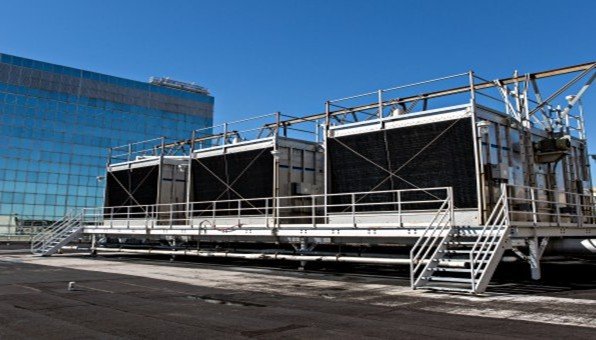
Foaming in cooling towers is a common yet often underestimated issue that can significantly affect system performance and efficiency. When excessive foam forms in the cooling water, it can cause carryover of water droplets, leading to increased water loss, chemical imbalances, and operational inefficiencies. Left unaddressed, foaming can also result in reduced heat transfer efficiency, higher maintenance costs, and potential environmental compliance issues.
Causes of Foaming in Cooling Towers
Foaming can arise due to multiple factors, including:
High Organic Contaminants: The presence of oils, grease, and biofilms in the cooling water increases surface tension, promoting foam formation.
Excessive Surfactants: Certain chemicals used in water treatment, including detergents or dispersants, can act as foaming agents when over-applied.
Dissolved Solids and Suspended Particles: Elevated levels of dissolved or suspended solids can lead to foam generation, particularly if water cycles are not properly controlled.
Microbial Growth: Bacteria, fungi, and algae can produce biofilms and organic matter, exacerbating foaming issues.
Improper Water Chemistry: Unbalanced pH, alkalinity, or hardness levels can influence foaming tendencies.
Mechanical Agitation: High flow velocities, turbulence, or excessive aeration in the cooling tower basin can encourage foam formation.
Implications of Foaming on Cooling Tower Performance
If left unchecked, foaming can have a serious impact on cooling tower operations:
Reduced Heat Transfer Efficiency: Foam acts as an insulator, inhibiting effective heat exchange between the cooling water and the environment.
Increased Water and Chemical Loss: Foam carryover can lead to excessive water evaporation and loss of expensive treatment chemicals.
Fouling and Scaling Risks: The presence of foam can contribute to scaling, fouling, and deposition issues in heat exchangers and distribution systems.
Maintenance Challenges: Operators may need to conduct frequent cleanings to remove foam buildup, increasing labor and maintenance costs.
Environmental Compliance Risks: Foam overflow can cause chemical-laden water to be released into the surrounding environment, potentially violating regulatory guidelines.
Strategies for Controlling and Preventing Foaming
To mitigate foaming issues effectively, facility managers should adopt the following best practices:
1. Optimize Water Treatment and Chemistry
Maintain proper pH and alkalinity levels to prevent excessive foaming.
Avoid overuse of dispersants, surfactants, or polymer-based treatments that may contribute to foam formation.
Implement regular water testing to monitor and adjust water chemistry as needed.
2. Utilize Effective Anti-Foaming Agents
Introduce silicone-based or organic defoamers to control foam buildup without harming cooling tower materials.
Apply anti-foaming chemicals only as needed to prevent unnecessary costs and chemical overdosing.
3. Improve Filtration and Blowdown Practices
Use high-efficiency filtration systems to remove organic contaminants and particulates that contribute to foaming.
Optimize blowdown cycles to maintain proper concentrations of dissolved and suspended solids.
4. Control Biological Growth
Implement biocide programs to minimize microbial activity that leads to foam-promoting biofilms.
Regularly inspect for and remove algae, bacteria, and fungi buildup in tower components.
5. Monitor and Maintain Mechanical Operations
Reduce excessive agitation by optimizing water flow rates and adjusting nozzle spray patterns.
Inspect and maintain drift eliminators and splash guards to prevent foam carryover.
Conclusion
Foaming is a significant challenge in cooling tower operations, leading to heat transfer inefficiencies, increased operational costs, and potential environmental risks. By understanding the root causes of foaming and implementing a combination of proper water treatment, defoaming solutions, biological control, and optimized system maintenance, businesses can enhance system reliability, improve cooling efficiency, and reduce overall maintenance expenses.
A proactive approach to foaming prevention ensures that cooling tower systems operate at peak performance, safeguarding industrial processes and reducing downtime.

Frequently Asked Questions:
Excessive foaming can lead to:
- Reduced heat transfer efficiency, impacting overall cooling performance
- Increased water and chemical losses due to foam carryover
- Scaling and fouling risks, leading to higher maintenance needs
- Environmental compliance issues if foam-laden water overflows
Foam acts as an insulator, reducing heat exchange efficiency. As a result, the cooling system must work harder, increasing energy consumption and operational costs.
Signs of foaming include:
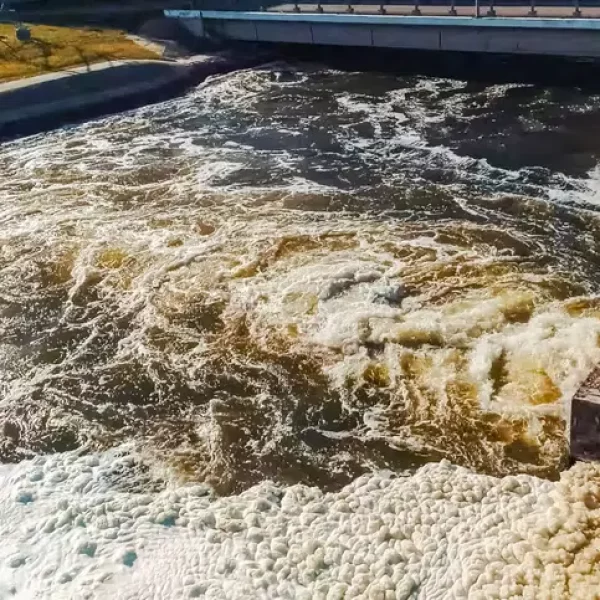
- Visible foam on the cooling tower basin or sump
- Increased drift or mist beyond the tower’s drift eliminators
- Fluctuations in water chemistry readings (especially conductivity)
- Sudden increases in water consumption due to chemical and water loss
To prevent and manage foaming, follow these best practices:
- Optimize water chemistry (maintain proper pH, alkalinity, and hardness)
- Use anti-foaming agents (silicone-based or organic defoamers)
- Improve filtration and blowdown cycles to reduce solids buildup
- Control microbial growth through proper biocide programs
- Reduce mechanical agitation by adjusting flow rates and spray nozzles
Uncontrolled foaming can lead to:
- Higher energy costs due to inefficient cooling performance
- More frequent maintenance and equipment failures
- Regulatory fines if foam carryover affects the environment
- Potential shutdowns if foam leads to severe system disruptions


