
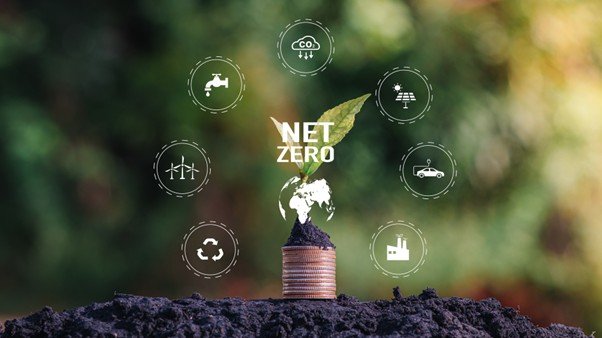
The concept of “Net Zero” has become a cornerstone of global climate action, representing a commitment to balance the amount of greenhouse gases emitted with the amount removed from the atmosphere. As countries, corporations, and individuals pledge to achieve net zero, organizations like us are at the forefront of driving this transformation. In this blog, we explore the journey to net zero, the role of our company in this mission, and the steps needed to make it a reality.
What is Net Zero?
Net zero refers to achieving a balance between greenhouse gas emissions produced and those removed from the atmosphere. This can be achieved by:
- Reducing Emissions: Minimizing greenhouse gas emissions from sources such as energy, transportation, and industry.
- Carbon Removal: Using natural solutions (e.g., reforestation) or technological innovations (e.g., carbon capture and storage) to absorb and store carbon dioxide.
Commitment to Net Zero
Our company is committed to creating innovative solutions that contribute to achieving net zero goals. By leveraging cutting-edge technologies and sustainable practices, We is helping industries transition to greener, more efficient operations.
Key Contributions:
- Renewable Energy Solutions: Our company specializes in providing solar and wind energy systems that reduce reliance on fossil fuels and lower carbon footprints.
- Energy-Efficient Technologies: Our company develops smart devices and IoT solutions that optimize energy consumption in buildings and industrial processes.
- Carbon Capture Innovations: We are investing in research and development to advance carbon capture and storage technologies, enabling industries to reduce their emissions effectively.
- Sustainability Consulting: Ours expert team collaborates with businesses to design and implement tailored sustainability strategies that align with net zero objectives.
The Importance of Net Zero
- Climate Stabilization: Achieving net zero is essential to limit global temperature rise to 1.5°C above pre-industrial levels, as outlined in the Paris Agreement.
- Mitigating Extreme Weather: Reducing emissions helps prevent severe weather events, such as hurricanes, heatwaves, and floods.
- Economic Transformation: The shift to net zero drives innovation and investment in clean technologies, creating new economic opportunities.
- Global Health Benefits: Cleaner air and reduced pollution from net zero strategies improve public health outcomes.
Challenges to Achieving Net Zero
- High Costs: Transitioning to renewable energy, retrofitting infrastructure, and developing carbon capture technologies require significant investment.
- Technological Barriers: Many carbon removal technologies are still in the early stages of development and need scaling.
- Policy Gaps: Inconsistent regulations and lack of international coordination hinder progress towards net zero goals.
- Equity Concerns: Ensuring that the transition to net zero is inclusive and addresses disparities between developed and developing nations is vital.
Strategies for Achieving Net Zero
For Governments
- Renewable Energy Transition: Invest in wind, solar, and hydroelectric power to replace fossil fuels.
- Carbon Pricing: Implement carbon taxes or cap-and-trade systems to incentivize emission reductions.
- Green Infrastructure: Promote energy-efficient buildings, electric transportation, and smart grids.
- International Collaboration: Strengthen global agreements and share technologies to accelerate progress.
For Businesses
- Sustainable Supply Chains: Source materials responsibly and minimize waste.
- Corporate Commitments: Set science-based targets to reduce emissions and report progress transparently.
- Innovative Technologies: Partner with organizations like our company to adopt solutions such as carbon capture and renewable energy systems.
- Employee Engagement: Foster a culture of sustainability within the organization.
For Individuals
- Energy Efficiency: Reduce energy consumption by using energy-efficient appliances and practices.
- Sustainable Transportation: Opt for public transport, cycling, or electric vehicles.
- Waste Reduction: Recycle, compost, and reduce single-use plastics.
- Advocacy and Awareness: Support policies and organizations like us prioritize net zero goals and spread awareness.
Ours role in Innovation
Technology plays a crucial role in achieving net zero, and we are leading the way with innovative solutions. Their advanced batteries, IoT systems, and renewable energy integration tools are paving the way for sustainable energy systems. We commitment to research and development ensures that industries have access to state-of-the-art tools for reducing emissions and enhancing efficiency.
Conclusion
Achieving net zero is an ambitious yet essential goal to ensure a sustainable and liveable future. Organizations like us are driving this transition by providing innovative solutions and fostering collaboration. By working together, governments, businesses, and individuals can turn the vision of net zero into a reality. Every step taken towards reducing emissions and enhancing carbon removal brings us closer to a resilient and sustainable world.
References
- Net Zero by 2050: A Roadmap for the Global Energy Sector. (International Energy Agency, 2023). Available at: https://www.iea.org
- Understanding Net Zero and Climate Neutrality. (United Nations Framework Convention on Climate Change, 2023). Available at: https://www.unfccc.int
- The Role of Innovation in Achieving Net Zero. (World Economic Forum, 2022). Available at: https://www.weforum.org
- Net Zero Strategies for Businesses. (Carbon Trust, 2023). Available at: https://www.carbontrust.com
- Pathways to Net Zero: The Role of Technology and Policy. (Journal of Climate Policy, 2023). Available at: https://www.elsevier.com


